Make the
Future Legible
The world's most dangerous dynamics begin in language. BrainBridge reads them at scale, giving governments, NGOs, and enterprises months of warning, not hours.


Our intelligence can't explain itself, so we can't defend our decisions.
Policymakers & Decision-MakersWe're always reacting to crises we should have seen coming.
Humanitarian & NGO ActorsWe miss important signals because they don't fit our models.
Strategic Intelligence TeamsThe earliest risks are written in language, long before they become events.
The major risks of our time (political meltdowns, market crashes, institutional collapse) begin much earlier, in language, narratives, and shifts of meaning that precede action. These early signals are invisible to the naked eye and impossible to measure efficiently with traditional tools.
BrainBridge exists to change this. We detect escalation before it becomes visible, interpret it with academic rigour, and deliver foresight that is both scalable and defensible. Read why traditional early warning fails →
"Risk now emerges through language, identity, and narrative before it appears as events, and this domain is both observable and analysable if approached correctly."
We Are the Third Intelligence
Two intelligences, deliberately bridged, for the emergence of a third.
- Social & cultural context
- Ethical reasoning
- Narrative interpretation
- Domain expertise
- Historical knowledge
- Strategic intuition
- Scale across ecosystems
- Pattern detection over time
- Continuous monitoring
- Cross-domain correlation
- Structural visibility
- Speed at any volume
- Risk interpretation
- Scenario formation
- Probability with consequence
- Decision-relevant insight
- Early warning with context
- Defensible intelligence
Foresight, Not Dashboards
BrainBridge delivers foresight, not dashboards. Five programmes (delivered as projects, retainers, and partnerships) form the analytical layer organisations rely on before risk becomes crisis.
Early Warning & Risk Forecasting
Longitudinal monitoring of narrative and escalation dynamics. We detect escalation before it becomes visible by tracking how language hardens into threat across large-scale datasets.
Policy bodies · NGOs · EnterprisesNarrative & Legitimacy Intelligence
Analysis of trust, authority, polarisation, and identity formation: the narrative precursors that precede violence and legitimacy collapse.
Governments · Brands · PlatformsConflict, Extremism & Social Harm Prevention
Applied intelligence for humanitarian, security, and protection actors: actor mapping, dehumanisation detection, atrocity early warning.
Humanitarian · Peacebuilding · SecurityStrategic Market & Geopolitical Intelligence
Narrative-driven insight for enterprises and investors operating in volatile environments: reputational, regulatory, and market risk before it materialises.
Enterprises · Investors · ConsultanciesCapability Partnership
Long-term collaboration combining advisory, platforms, and co-development, including white-label intelligence modules for advisory firms and embedded analytical capability for institutional teams.
Advisory firms · Research institutions · Long-term partnersMapping Information Warfare:
The Syrian Coastal Massacres
Lebanon Office
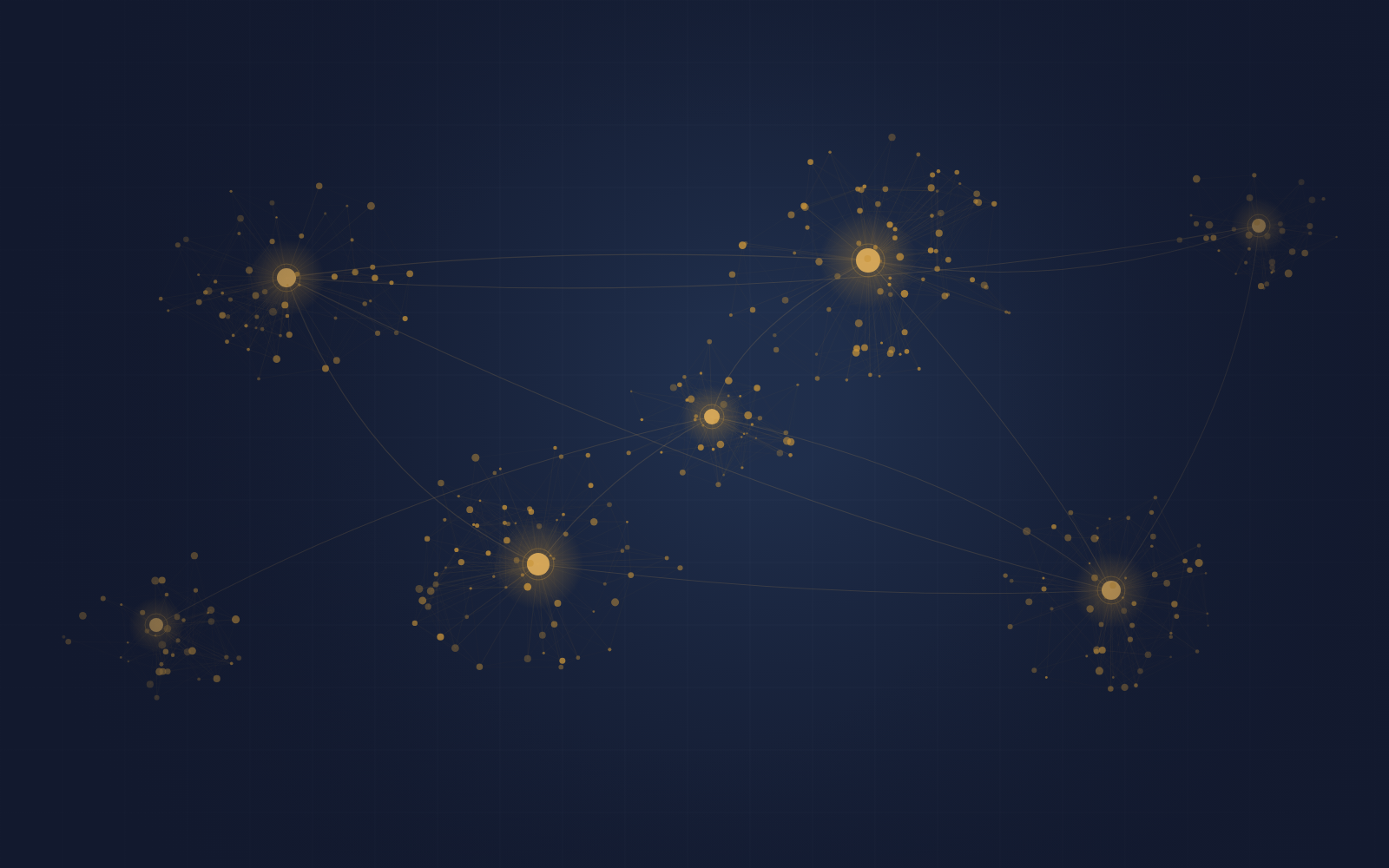 Explore the live graph →
From the Research Desk
What Is Conflict Early Warning, and Why Does It Keep Failing?
Most early-warning systems watch for events. By the time events register, the window for prevention has already closed. There is an earlier signal layer.
Narrative Intelligence: How Language Predicts Violence
The road from grievance to justification to dehumanisation is gradual and measurable. Reading that trajectory is the core of narrative intelligence.
Forecasting Terrorism Six Months Early: What ISIS's Own Newsletter Revealed
Doctoral research at the University of Bath showed that modelling rhetorical patterns in extremist media could forecast terrorist activity up to six months in advance.
See your risk landscape
before it hardens.
We work with a select number of partners and clients. Most engagements begin with a short diagnostic conversation: tell us the decision you need to make, and we'll tell you whether we can make it more defensible.